Cart
0
You may also like




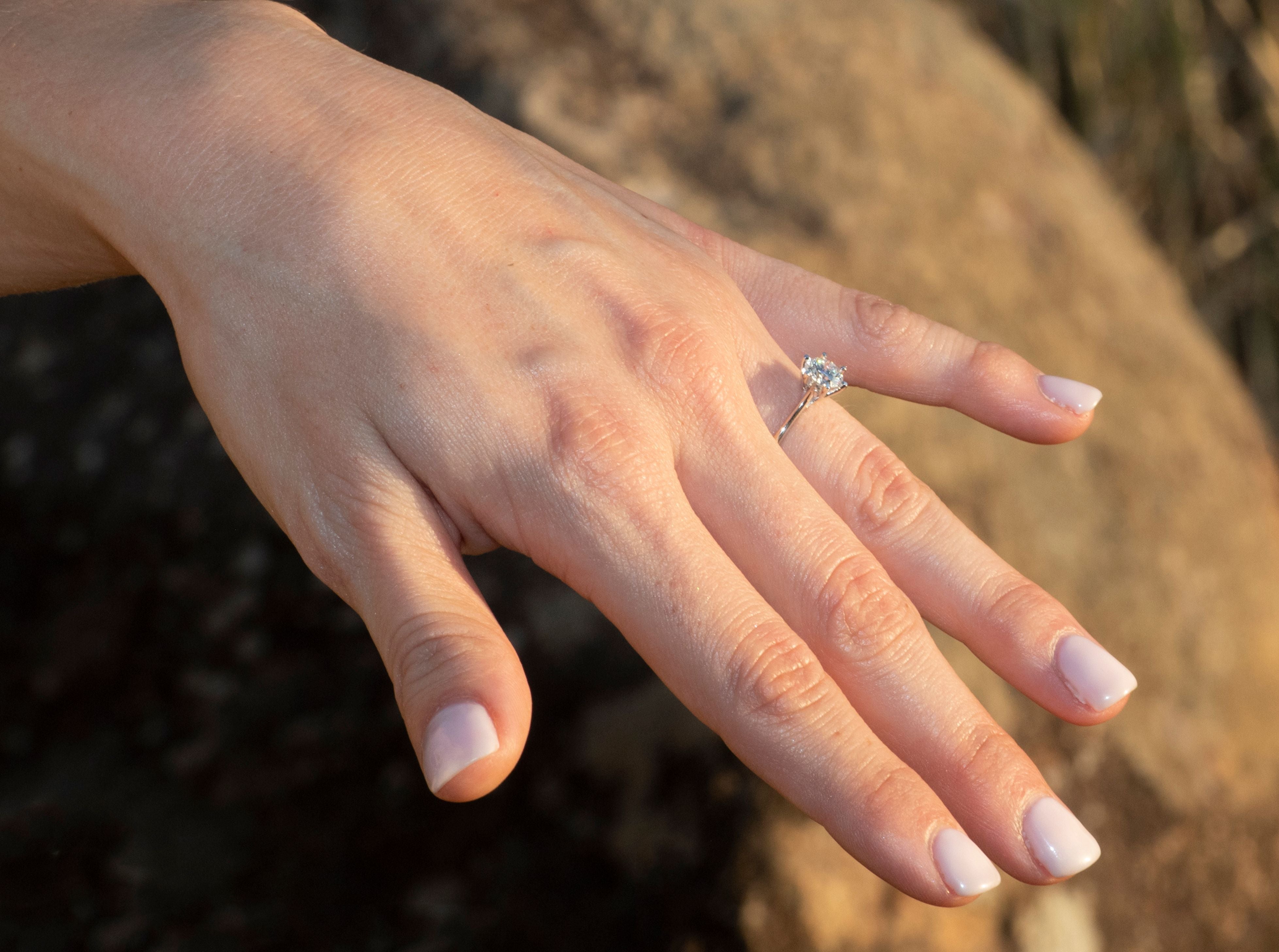
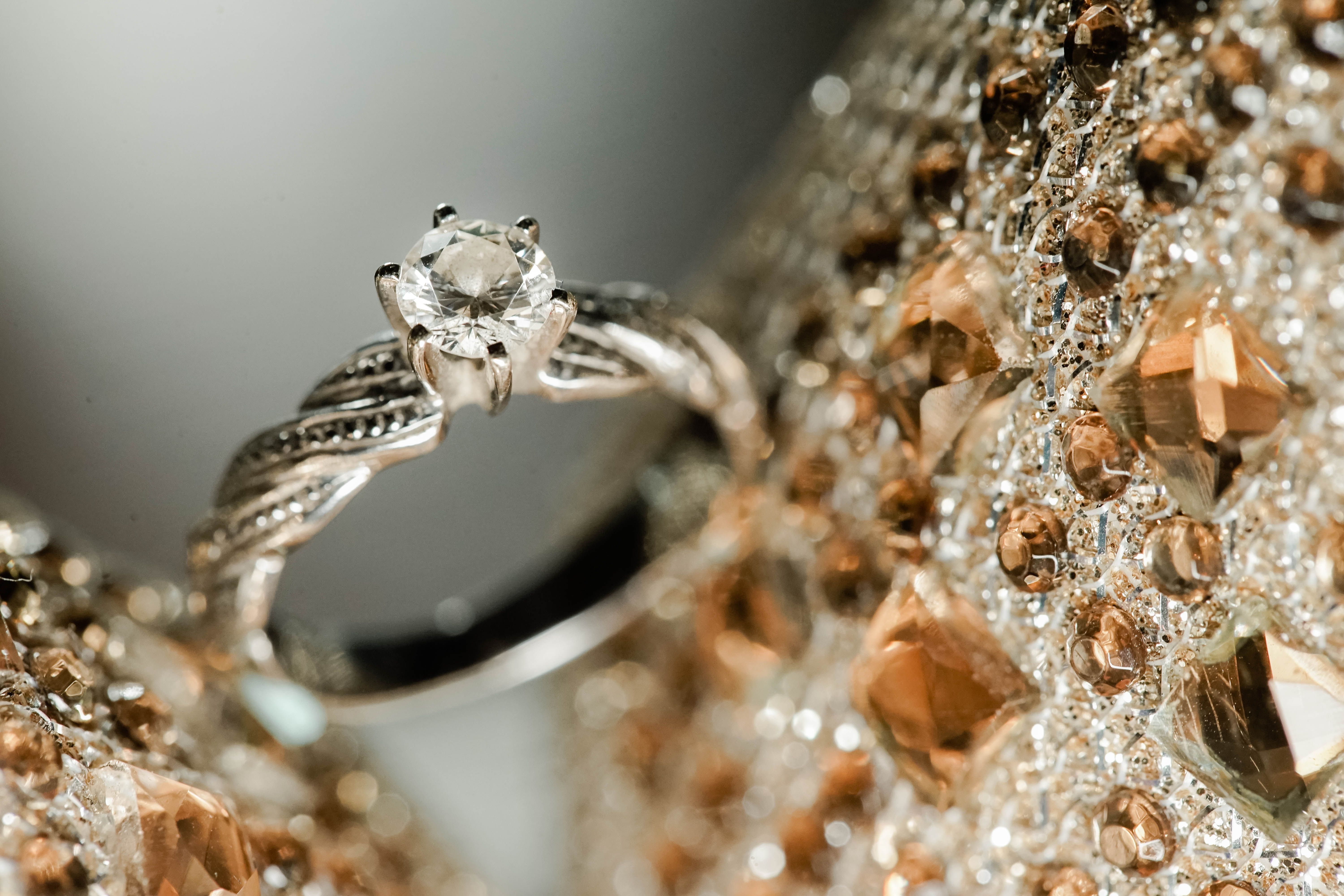
A solitaire diamond draws attention because the design gives one stone the spotlight. Solitaire styles can appear in rings, earrings, and pendants, making them versatile choices for everyday wear or special occasions.
For many buyers, diamonds are a good investment, both financially and personally. A well-chosen piece can remain in a jewelry collection for years, but its condition matters. Dirt, oils, lotions, and everyday contact can affect its appearance and setting. Proper care helps keep your jewelry clean, secure, and ready to wear.
Here’s how to care for your solitaire diamond jewelry in simple ways.
Key Highlights
|
A simple cleaning routine can remove buildup that makes a diamond look dull. Basic care at home requires only mild soap, warm water, a soft-bristled toothbrush, and a soft cloth.
Mix a few drops of mild liquid soap with warm water. Use the toothbrush to gently clean the diamond and its setting, paying attention to areas underneath the stone where residue can collect.
Rinse the piece carefully with warm water. Take care not to let a small ring, earring, or pendant slip down a drain. Dry the jewelry with a soft, clean cloth rather than an abrasive material.
Avoid harsh chemicals and cleaners. They can affect the setting and leave the jewelry looking dull. The reference recommends professional cleaning at least once a year, which can also address areas that are difficult to reach at home.
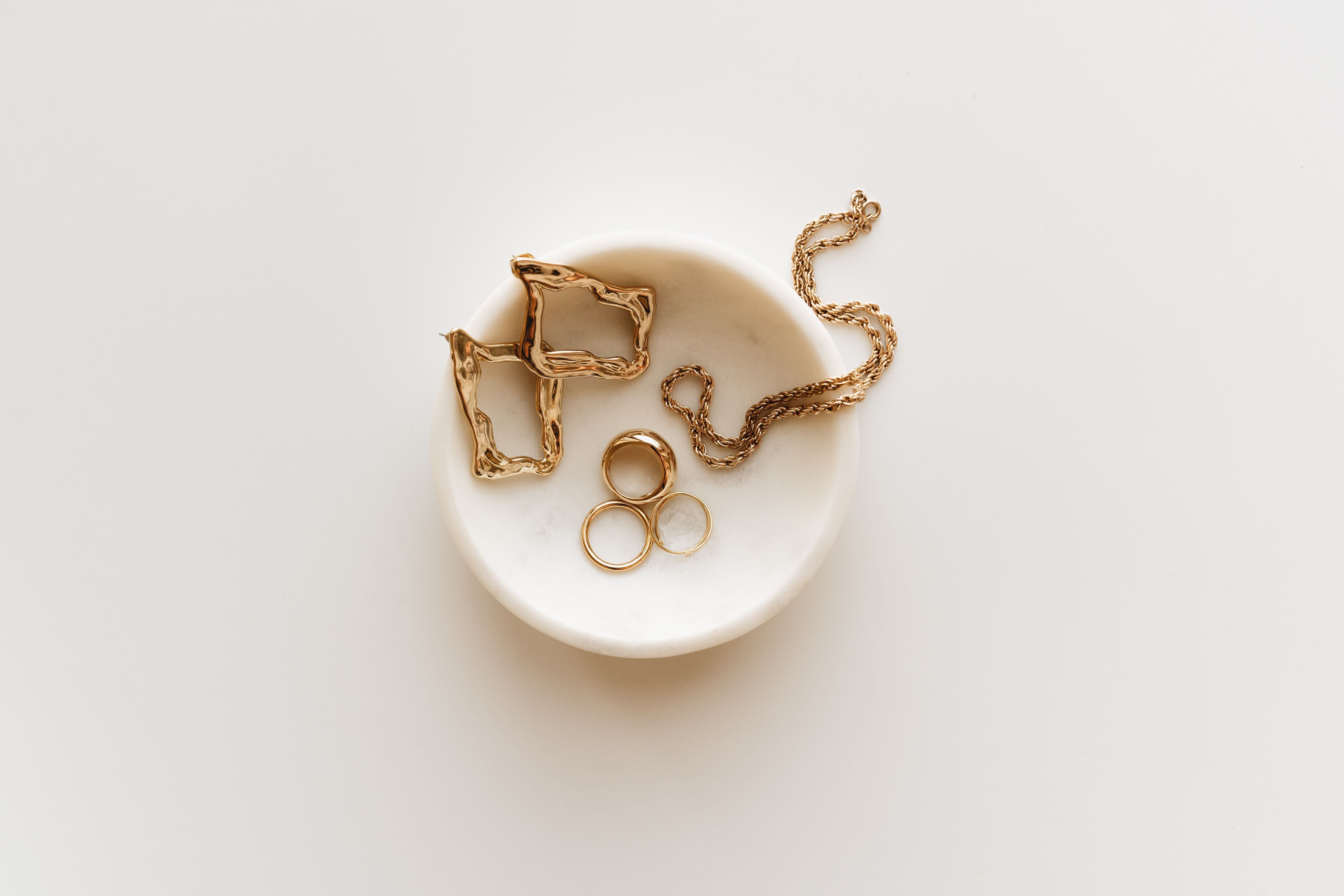
Proper storage helps prevent scratches and unnecessary contact between jewelry pieces. Give each solitaire its own pouch or compartment instead of placing several items together in a drawer.
A jewelry box with individual sections and a soft lining is a practical choice. Keep jewelry dry and away from direct sunlight and other pieces that could cause scratches.
Return each piece to the same protected place when you remove it. A consistent storage habit also makes it easier to keep track of your jewelry.
Solitaire jewelry can be suitable for regular wear, but some activities create unnecessary risks. Remove your pieces before sports, gardening, swimming, or other physical activities. An impact can put pressure on the setting, while water and movement increase the chance of losing a piece.
Remove jewelry before applying lotions or perfumes, and keep it away from harsh chemicals that can affect its appearance.
Sleeping in jewelry can also expose it to strain. A ring can catch on bedding, while an earring or necklace can be pulled during the night. Handle each piece gently.
A quick visual check at home can help you notice potential problems early. Look closely at the prongs or other parts holding the diamond in place. If something appears bent, loose, or out of position, stop wearing the piece until a professional can examine it.
You can also look for visible scratches or chips on the diamond. A magnifying glass can make small details easier to see.
Professional inspections are recommended every six months to a year, depending on how frequently the jewelry is worn.
Do not wait for a scheduled appointment if you notice a problem. A loose prong or damaged setting deserves prompt attention.
Home care is useful for routine cleaning, while professional maintenance can examine the setting and reach difficult areas.
Seek professional advice after an impact or when a setting looks different. A jeweler can help determine whether a piece needs cleaning, inspection, repair, or other maintenance.
The reference recommends consulting a professional jeweler when questions or concerns arise. Their expertise can help determine whether a piece needs cleaning, inspection, repair, or other maintenance.
Caring for a solitaire diamond also means keeping track of its documentation. Insurance may provide protection against loss, theft, or damage, but policies vary. Review the terms carefully and understand what is covered.
An appraisal can document the piece and establish an estimated value. The reference recommends obtaining an appraisal from a certified gemologist and updating documentation every few years because diamond values can change.
Warranty coverage is another consideration. Some jewelers offer warranties covering certain repairs or maintenance. Read the terms and conditions so you know what the warranty includes.
Keep receipts, appraisals, warranties, and insurance records in a secure place.
Your care routine starts with understanding the jewelry you purchase. Ask about the diamond, setting, materials, and maintenance recommended for the piece.
Some buyers compare natural and lab-grown options before choosing a new diamond. For shoppers researching lab grown diamonds in Chicago, questions about certification, setting quality, warranties, and after-sale care can be useful when comparing jewelers.
Choose a piece you understand and can maintain properly. A jewelry professional can explain the diamond’s characteristics and offer guidance on caring for the finished piece.
Knowing how to care for your solitaire diamond jewelry does not have to be complicated. A few consistent habits can make a difference:
Clean your solitaire jewelry gently and regularly.
Store each piece separately in a soft-lined space.
Remove jewelry before swimming, exercising, gardening, or sleeping.
Keep lotions, perfumes, and harsh chemicals away from your jewelry.
Check prongs, clasps, and settings for visible problems.
Schedule professional cleaning and inspections as needed.
Avoid exposing jewelry to extreme temperatures.
The reference notes that extreme temperatures can weaken settings and affect durability.
Knowing how to care for your solitaire diamond jewelry is largely about consistency. Gentle cleaning removes everyday buildup. Proper storage reduces scratches. Careful handling lowers the risk of damage, while routine inspections can help identify setting problems before they become serious.
These habits apply whether your solitaire is a ring, earring, pendant, or another design. Pay attention to changes and seek professional assistance when needed.
At Bryn Mawr Jewelry, we understand that fine jewelry deserves thoughtful care. These small steps can help preserve its appearance and condition over time. Our services can help with maintenance needs and informed decisions about your pieces.
To learn more, visit Bryn Mawr Jewelry and explore our services.