Cart
0
You may also like
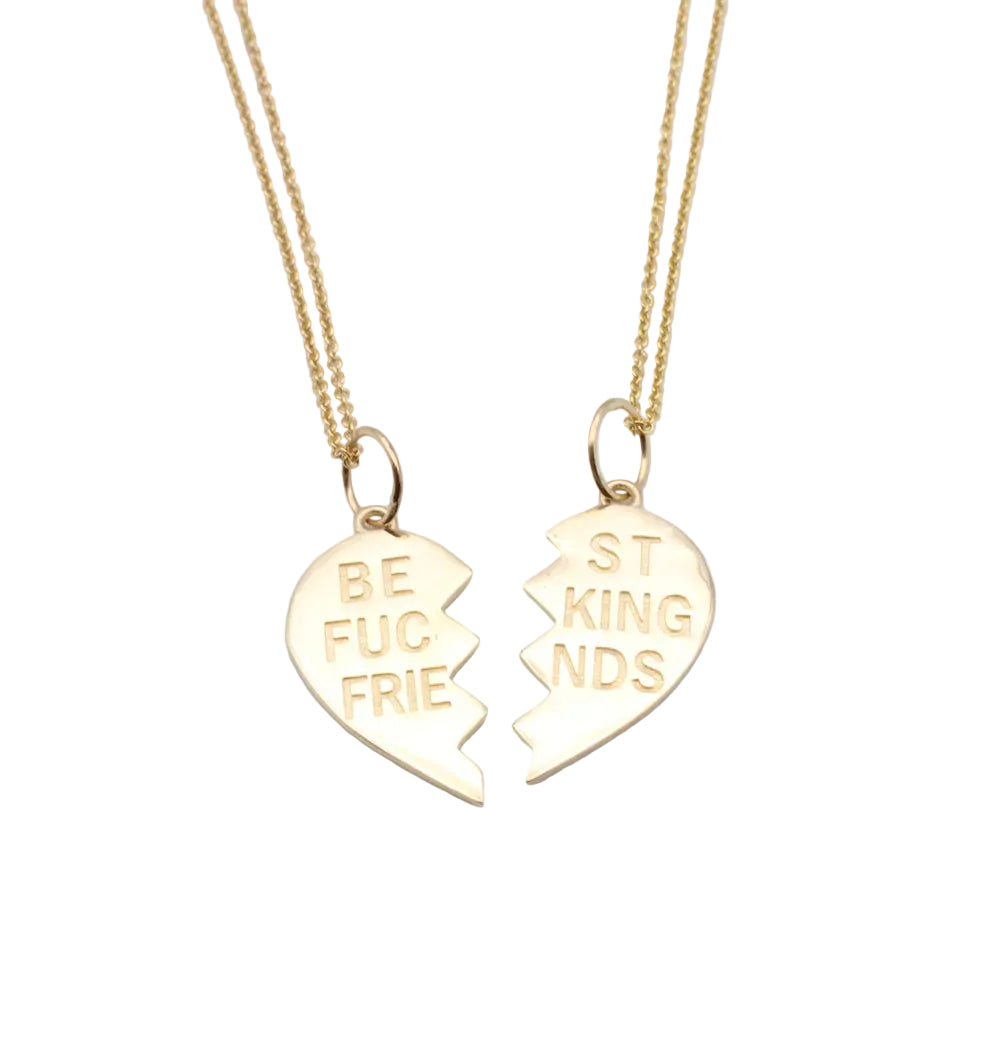



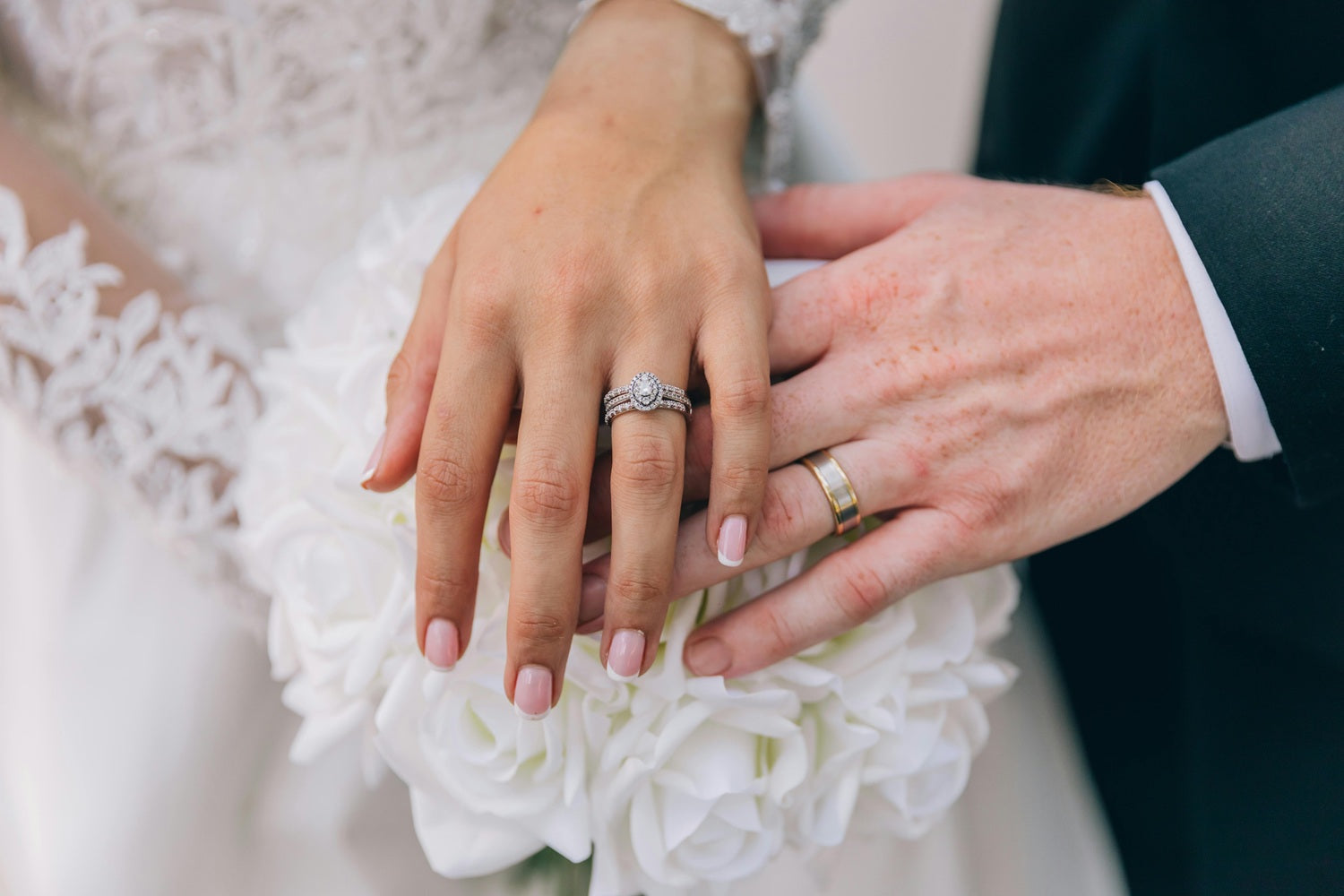
Choosing how to wear your engagement ring and wedding band feels simple at first. Couples quickly realize there are several approaches, each shaped by tradition, comfort, and personal style. Preferences vary from one person to another, and the “right” way depends on what feels personal for you and your partner.
Many people also think about long-term value when selecting rings. Questions like are diamonds a good investment come up during the buying process, especially when couples want pieces that can last through decades of wear. Rings hold emotional meaning, yet they also carry real practical considerations such as durability, maintenance, and daily comfort.
This guide explains the customs behind ring placement and the different ways people wear their bands today.
Couples follow several approaches for how to wear an engagement ring and wedding band, and comfort plays a major role in the final choice.
Traditional stacking places the wedding band closer to the heart, while modern styles allow creative combinations that fit personal routines.
Long-term care and thoughtful maintenance help protect ring quality, especially for those considering whether diamonds are a good investment.
Bryn Mawr supports couples in choosing meaningful rings and offers guidance to help them wear and care for their engagement rings and wedding bands.
Wearing rings on the fourth finger of the left hand has been a common practice for centuries. Many people associate this with an old belief that a vein in that finger connected directly to the heart.
The science behind that idea didn’t hold up, yet the symbolic meaning stayed. Couples kept the tradition because it felt meaningful, simple, and easy to follow.
Cultural customs also influence where and how people wear their rings. Some communities use the right hand for wedding bands. Others switch hands for specific ceremonies. Modern couples often take inspiration from these traditions while still choosing what feels most comfortable.
Many factors influence the final decision, including lifestyle, hand shape, and how often someone works with their hands.
These traditions also have a subtle connection to long-term value. Couples sometimes ask if diamonds are a good investment when choosing a ring that they hope to pass down someday. That said, durability and everyday practicality all shape how people approach engagement rings and wedding bands today.
The traditional approach places the wedding band on the finger first. People like this order because the band sits closer to the heart, followed by the engagement ring on top. Many still follow this since it feels timeless.
Some choose different stacking styles. Lifestyle, hand sensitivity, and ring design influence these decisions. A contoured or curved band, for example, may fit better under the engagement ring. Other couples prefer the engagement ring on top because it creates a balanced or symmetrical look.
Both approaches still follow the basic idea behind how to wear an engagement ring and wedding band, while giving you room to express personal style.
Comfort also matters. A snug fit helps the rings sit securely without feeling too tight. People often try both stacking orders before deciding which one feels better throughout the day. Stone size and band thickness also make a difference. When couples talk about long-term wear, they sometimes ask whether diamonds are a good investment since daily use calls for durability and long-lasting value.
Choosing a practical and meaningful order gives your rings a look that feels cohesive. Whether you follow classic tradition or a modern approach, your rings should reflect both your relationship and your everyday comfort.
ALSO READ: East-West Engagement Ring Trend: 2025 Guide to Vintage-Inspired Modern Designs
People follow different stacking styles depending on comfort, symbolism, and the design of their rings. There isn’t one strict rule to follow. Each option has its own meaning and works well for different lifestyles.
This is the most widely used approach. The wedding band sits closer to the heart, and the engagement ring follows. Many couples feel this honors the sequence of their commitment. It also supports the classic understanding of how to wear a wedding band and engagement ring without complicating the design.
This order works well for straight bands and traditional engagement ring shapes. It’s simple, secure, and fits most stacking styles.
Some people reverse the stack. Comfort is the most common reason for this choice, especially when the wedding band has a curved or contoured shape. Others prefer how the engagement ring looks when lifted slightly by the band beneath it.
This approach still aligns with how to wear a wedding band and engagement ring, just with a personal twist that fits your style.
There are situations where stacking doesn’t feel right. Some traditions place wedding bands on the right hand. Others prefer separating the rings to prevent scratching or pressure marks. This can also help when the rings differ in style or when the engagement ring has a larger stone.
Couples who follow this method still consider how to wear a wedding band and engagement ring in a way that feels natural but comfortable for daily activities.
Certain jobs, sports, or hobbies make stacked rings uncomfortable. People may choose to wear one ring at a time or reserve the engagement ring for special occasions. This helps protect both pieces while keeping your hands free and comfortable.
Some couples consider longevity and ask whether diamonds are a good investment when selecting durable stones that can hold up to different lifestyles.
Couples often think about the visual harmony between their rings. Some individuals prefer a coordinated set, while others opt for a combination of textures, shapes, or metals. Both approaches work well. The choice ultimately depends on comfort, taste, and how you want the rings to look together.
Matching sets create a smooth, cohesive appearance. Bands designed to pair with a specific engagement ring usually sit flush against it, which helps the stack feel secure. This style suits individuals who prefer a classic or refined appearance.
It also fits naturally with traditional guidance on how to wear wedding band and engagement ring, since the pieces were shaped to complement one another.
Mixed styles offer flexibility. You can blend different metals, stone shapes, or design details to create a look that feels more personal and unique. Some people love the contrast that comes from pairing a modern wedding band with a vintage engagement ring.
Others choose different widths or textures for a subtle layered effect. Mixing styles can also help emphasize features of the engagement ring without overpowering its shape.
Durability plays a role in this decision. Couples often consider whether diamonds are a good investment when selecting stones that will withstand years of wear. The right combination of metals, settings, and stone quality supports long-term comfort and practicality.
Both matched and mixed stacks can work beautifully. What matters most is choosing a pairing that feels right for your daily routine and visual style.
Daily habits significantly impact how your rings feel and their longevity. People with active schedules, hands-on jobs, or frequent exposure to water often adjust how they stack or wear their rings. Comfort should guide those decisions, especially when thinking about long-term use.
A proper fit makes a noticeable difference. Rings that slide too easily can wear down more quickly, while tight bands can create pressure and discomfort. Many jewelers recommend making small seasonal adjustments, as fingers naturally change size throughout the year.
Trying different stacking orders helps you figure out how to wear an engagement ring and wedding band in a way that feels comfortable from morning to night.
Maintenance also shapes how you wear your rings. Regular cleaning keeps diamonds clear and metals bright. Secure prongs, tight settings, and smooth edges help prevent accidental damage during daily activities.
Couples sometimes think about whether diamonds are a good investment when choosing stones known for durability and long-term brilliance. Ensuring good care supports the value of the pieces over time.
Lifestyle, fit, and upkeep all work together. When combined thoughtfully, these factors help you decide how to wear a wedding band and engagement ring in a way that supports both comfort and meaning.
These simple guidelines help you decide how to wear engagement ring and wedding band comfortably and confidently:
Balance the proportions.
Thin bands work well with larger center stones. Wider bands complement simpler engagement rings. Balanced proportions make it easier to decide how to wear wedding band and engagement ring without either ring overpowering the other.
Choose the right band shape.
Contoured or curved bands sit flush against specific engagement ring styles. Straight bands pair nicely with many shapes, especially solitaires. Trying different designs helps you find a pairing that supports your preferred stacking style.
Think about durability.
Long-lasting metals such as platinum and strong gold alloys hold up well to everyday wear. Some couples also consider whether diamonds are a good investment when selecting stones that maintain clarity and brilliance for years.
Match ring design to daily life.
A low-profile setting may be more suitable for hands-on work. Detailed or textured bands add personality without overwhelming the stack. Each of these choices supports your personal approach to how to wear an engagement ring and wedding band.
Try multiple combinations before choosing.
Experimenting with different stack orders, metal colors, and band shapes helps you see what feels best throughout the day. Comfort and secure wear should guide your final decision.
There’s no single rule for how to wear an engagement ring and wedding band. Whether you follow tradition or build your own routine, what matters is that the rings reflect your relationship, fit your lifestyle, and feel right on your hand. Some prefer a classic stack. Others divide the rings between hands or rotate them according to the day. All of these approaches are valid.
At Bryn Mawr, we believe your rings should carry personal meaning while supporting daily comfort and timeless design. We’re here to help you choose pieces that fit your story and your day-to-day life.
Explore our services to learn how we can support you in choosing or styling your engagement ring and wedding band with care.