Cart
0
You may also like




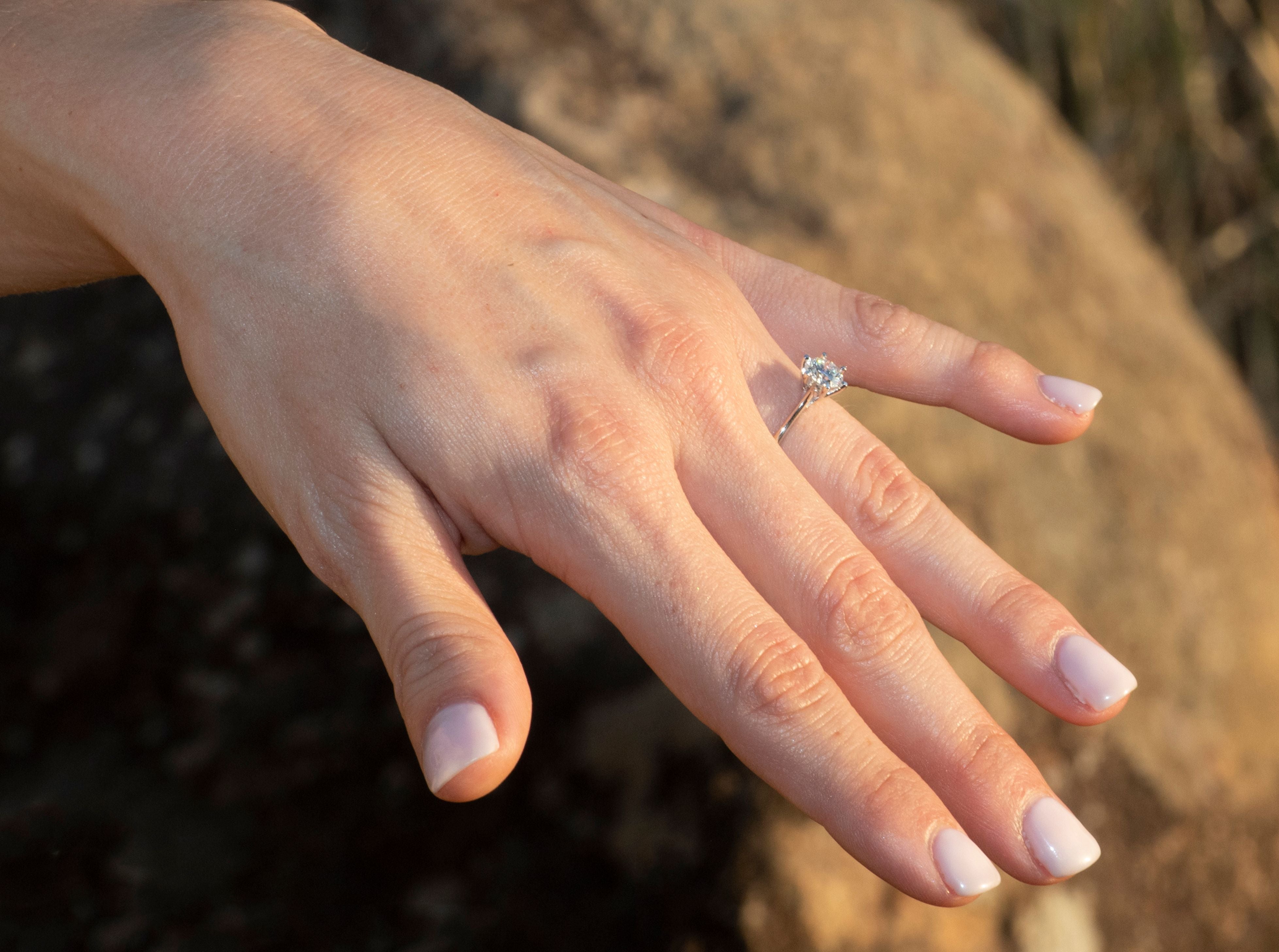
You are standing in the bathroom, water running, and you glance down at the gold ring you have not taken off since the day you got it. The question hits you again: can you wear gold in the shower, or are you slowly ruining something you paid good money for?
It is a fair thing to wonder about. Most of us treat our jewelry like part of our body at some point. The chain goes on in the morning and stays on until it does not. But gold behaves differently depending on what kind of gold it actually is, and knowing the difference is the whole ballgame here. If you want a deeper dive later, it helps to understand how to take care of gold jewelry in general, because shower habits are only one piece of a larger picture.
Pure gold does not rust. It does not tarnish, corrode, or react with water. That is part of why civilizations have been obsessed with it for thousands of years. A solid gold piece dropped in the ocean and pulled up two centuries later still looks like gold.
So if you own solid gold, water alone is not your enemy. A quick rinse will not destroy anything.
Here is the catch. Almost nothing sold as "gold jewelry" is pure gold. Pure gold is 24 karat, and it is soft enough to bend with your fingers. Jewelers alloy it with copper, silver, nickel, or zinc to make it durable enough to wear. That is what 14k and 18k mean. A 14k piece is roughly 58 percent gold and 42 percent other metals.
Those other metals do react. Copper especially. Over enough exposure, alloyed gold can develop a dull film or a faint discoloration, and in some cases it can leave a greenish mark on skin. Water speeds that process up, particularly if the water is hard or heavily chlorinated.
The water itself is rarely the main problem. What you put in it is.
Shampoo, conditioner, body wash, exfoliating scrubs, and shaving cream all leave residue. That residue works its way into engraving, into the settings around stones, into the tiny links of a chain. It builds up. Within a few weeks your gold looks cloudy and dull, and you assume the gold is failing when really it is just coated in soap film.
Then there are the harsher elements. Chlorine is the big one. If you live somewhere with heavily treated municipal water, or if you shower right after swimming in a pool, chlorine exposure adds up. It attacks the alloy metals and can make gold brittle over time. Sulfates in some products can do similar damage.
Hard water leaves mineral deposits. Hot water opens up the microscopic gaps between a stone and its setting, and loosens adhesives used in certain pieces. None of this happens overnight. It happens across hundreds of showers, which is exactly how most people wear their jewelry.
The honest answer is that you can, but you probably should not make a habit of it.
If you are asking can you shower with gold jewelry because you forgot to take off your wedding band once, relax. One shower will not ruin anything. Solid gold in particular is remarkably forgiving. Rinse it, dry it properly, and move on.
The problem is cumulative. Daily exposure across years is a different situation than the occasional slip. People who never remove their jewelry tend to notice the change gradually, and then all at once. The chain that used to catch light now looks flat. The ring has a haze around the stone.
There is also a purely practical concern nobody mentions enough. Wet hands shrink slightly in cold water and swell in hot water. Rings slip off. Clasps that are already worn give out when soap makes everything slick. A shocking number of lost pieces end up in a drain, and drains are unforgiving.
Everything above assumes solid gold. If your piece is plated, the rules change completely.
Gold plated jewelry is a base metal, usually brass or copper, with an extremely thin layer of gold bonded to the surface. We are talking about a layer measured in microns. That layer wears away with friction, sweat, and chemical exposure. Water accelerates all of it.
If you are wondering can I shower with gold jewelry that is plated, the answer is a clear no. Not once a week, not occasionally. Every shower strips a little more of the plating, and once the base metal shows through, there is no fixing it without replating the entire piece.
Gold filled sits in between. It has a substantially thicker gold layer that is mechanically bonded rather than electroplated, so it holds up much better than plating. It can survive incidental water contact. Still, the same logic applies. Why spend the lifespan of the piece on something as pointless as a shower?
Vermeil, which is sterling silver with gold plating, is somewhere in the same category. The silver underneath tarnishes, and the plating on top is thin. Keep it dry.
Even if the metal survives fine, the stones might not.
Diamonds handle water without issue, but the settings holding them do not. Repeated exposure loosens prongs and dissolves the residue that keeps everything seated. Pearls are worse. They are porous and organic, and soap will strip their luster permanently. Opals crack. Turquoise absorbs and discolors. Emeralds are frequently oil treated, and hot water pulls that treatment right out.
Any piece with glued components is at risk too. Adhesives soften in heat. Costume elements attached to gold settings simply fail.
You do not need an elaborate system. You need a small dish on your bathroom counter.
Take the jewelry off before you shower. Put it in the dish. Put it back on when you are dry and after you have applied lotion or perfume, since those products cause their own buildup. That is the entire routine, and it takes four seconds.
For cleaning, warm water with a drop of gentle dish soap and a soft toothbrush handles most buildup on solid gold. Rinse thoroughly, dry with a soft cloth, and let it sit out until fully dry before storing. Skip this method entirely for plated pieces, pearls, and porous stones. Those need a dry cloth wipe and nothing more.
Store pieces separately so they do not scratch each other. Gold is soft, and gold scratches gold.
Can you wear gold in the shower without immediate disaster? Yes, if it is solid gold and you dry it afterward. Should you? Not really. The habit costs you nothing to break and saves you the slow dulling that catches people off guard years later.
Plated and filled pieces deserve stricter treatment. Keep them dry and they will last far longer than they otherwise would.
Your jewelry should outlive your shower routine. Treat it accordingly, and it will.
If you have questions about caring for a specific piece, or you are looking for something built to last, Contact Bryn Mawr Jewelry and talk to someone who knows the difference between a piece worth protecting and a piece worth replacing.