Cart
0
You may also like



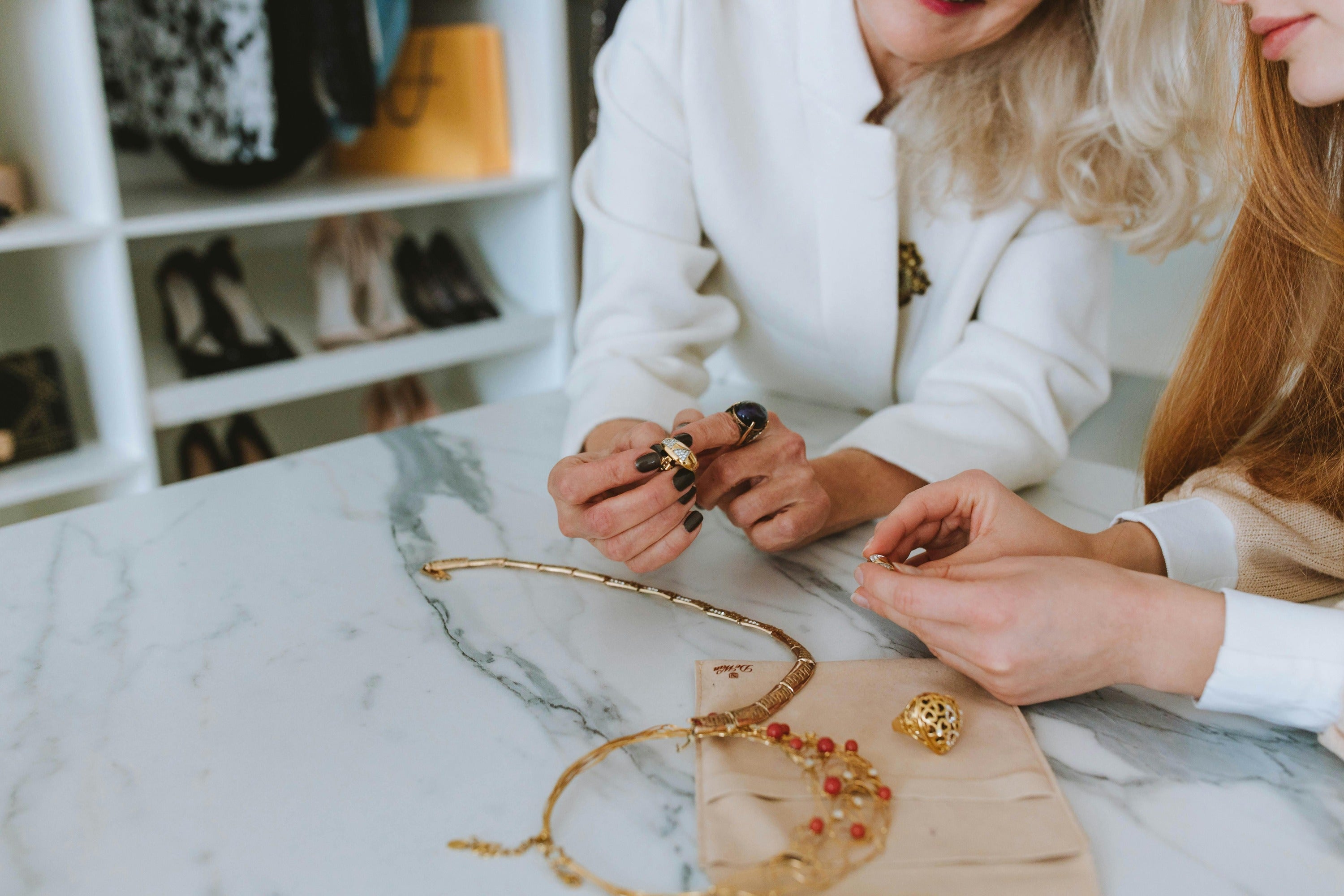
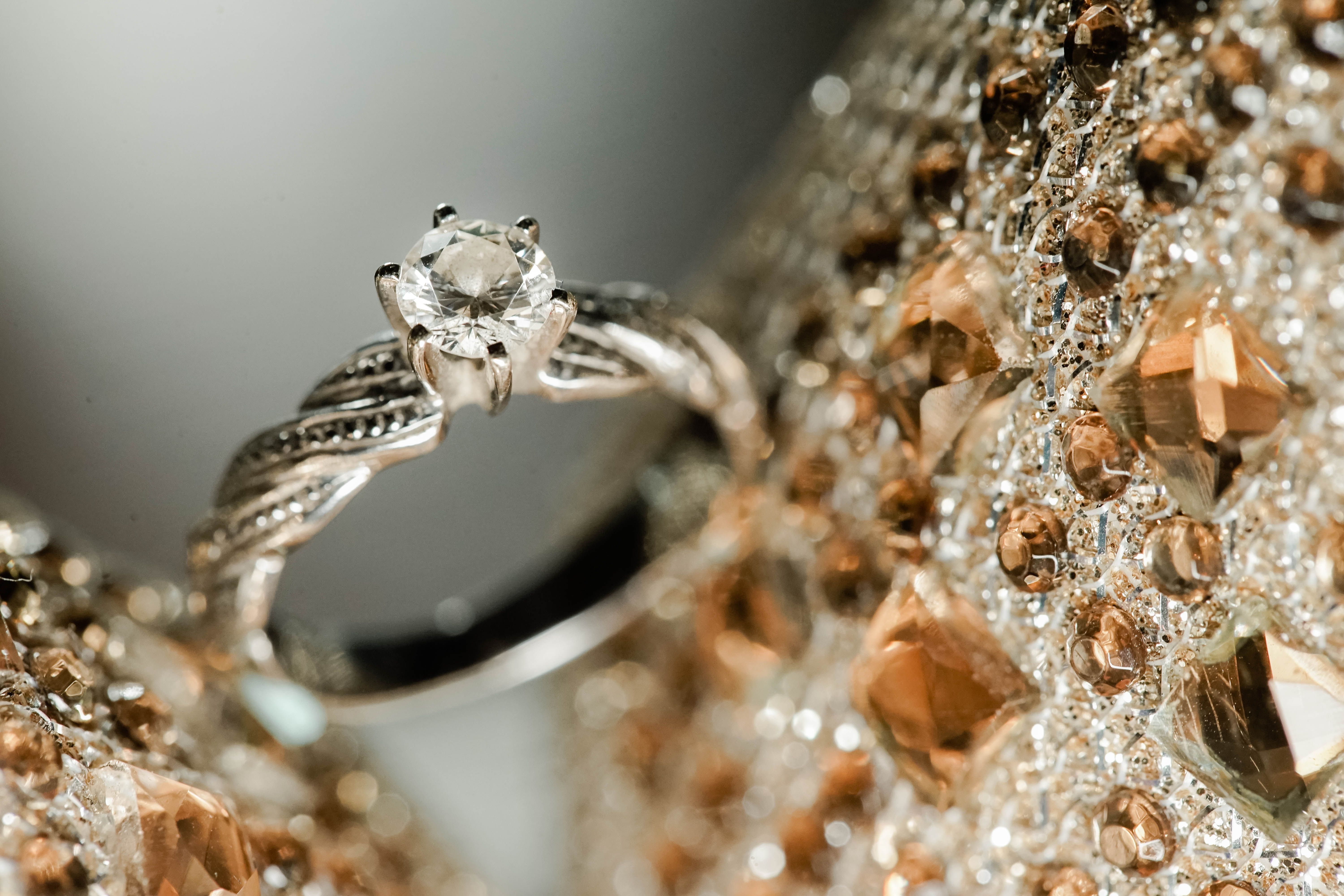
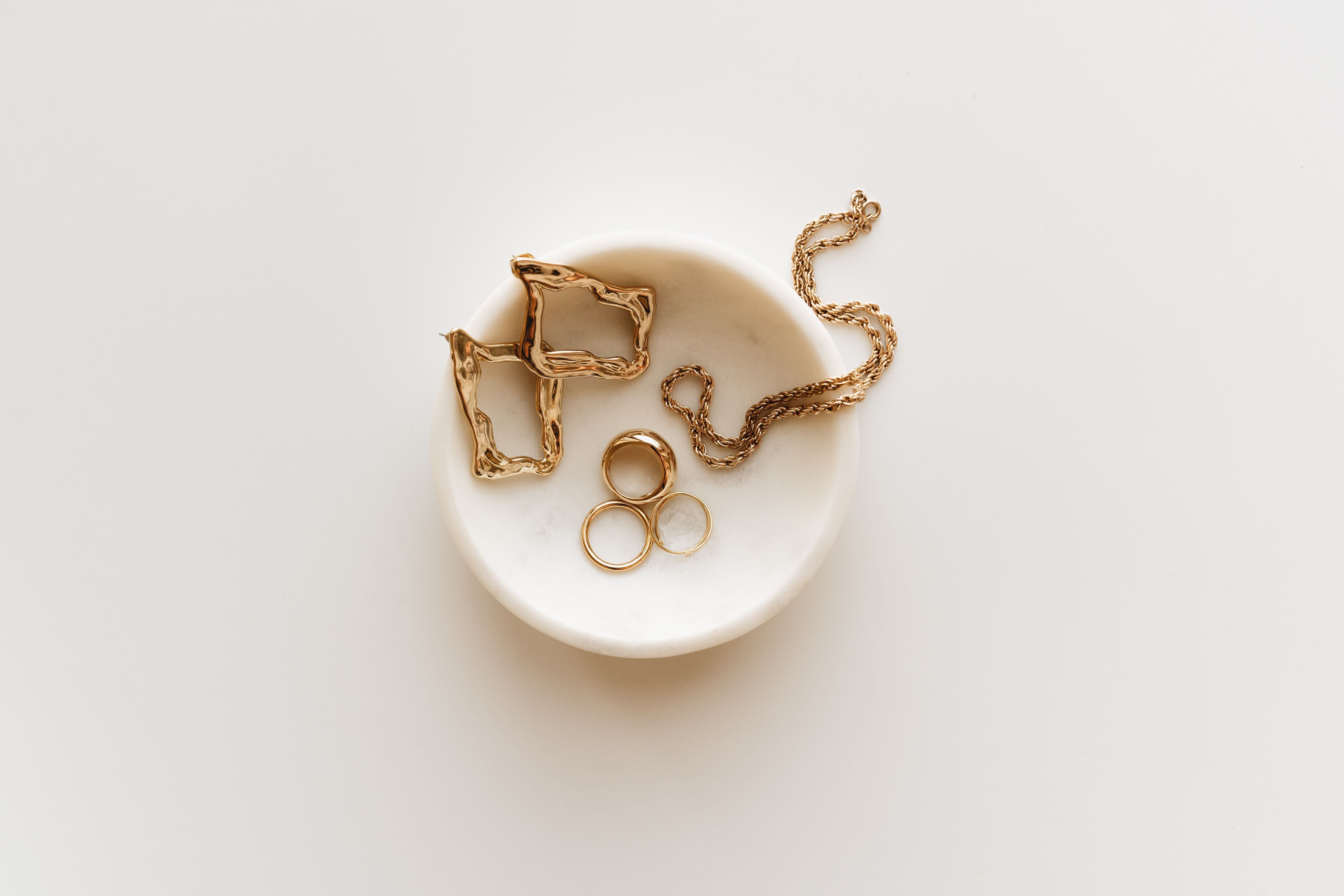
Gold-plated jewelry offers the look of solid gold at a more accessible price. It has a thin layer of gold over a base metal, which gives it that familiar shine. That same structure also means it needs a bit more attention. Without proper care, the finish can fade or lose its luster faster than expected.
Many people notice changes after regular wear. The color may look dull. In some cases, the base metal starts to show through. This can feel frustrating, especially when it’s a meaningful piece like an engagement ring that still looks beautiful otherwise. The good news is that small adjustments in your routine can help extend its life.
This guide will walk you through how to care for gold plated jewelry.
Key Highlights
|
Gold-plated jewelry has a layered structure. A base metal sits underneath. A thin layer of gold is applied on top to create that polished finish. This layer can vary in thickness, which affects how long the piece holds its shine.
Solid gold behaves differently. It does not rely on a surface layer, so it can handle wear more easily. Gold-plated pieces need more attention. The outer layer can wear down over time, especially with regular use.
Several factors influence how well your jewelry holds up:
Thickness of the gold layer
Thicker plating tends to last longer. Thin plating can fade sooner, especially with frequent wear.
Frequency of use
Daily wear increases exposure to friction and moisture. This can speed up fading.
Contact with moisture and chemicals
Water, sweat, and everyday products can break down the surface. Even small amounts add up over time.
Daily habits shape how long your jewelry keeps its shine. Each time you wear a piece, it comes into contact with oils, moisture, and small amounts of friction. These may seem minor at the moment. Over time, they can wear down the thin gold layer.
That’s why consistency matters. Occasional cleaning helps, but your everyday routine has a bigger impact. If you’re thinking about how to care for gold plated jewelry, start with what happens before, during, and after wear. Simple adjustments can help preserve both color and finish.
Here are the habits that make the biggest difference:
Water exposure is one of the quickest ways to shorten the life of gold plating. This includes showers, handwashing, and even quick rinses. It is not just about soaking. Repeated contact can gradually weaken the bond between the gold layer and the base metal.
Try to make it a habit to remove rings before washing your hands. The same goes for necklaces and bracelets before stepping into the shower. These small actions help limit unnecessary exposure.
Everyday products leave behind a thin film. Lotions, perfumes, sunscreens, and hair sprays can all affect the surface of your jewelry. Over time, this buildup dulls the shine and may cause uneven fading.
Let your skincare and fragrance settle into your skin first. Give it a minute or two. Then put on your jewelry. This reduces the chance of residue sitting directly on the gold layer.
Your routine matters. When jewelry is the final step, it stays away from most chemicals and products used earlier. This simple habit lowers the risk of exposure without adding extra effort to your day. It also helps prevent accidental scratches that can happen when adjusting clothing or styling your hair.
Your skin naturally produces oils. Even on a calm day, these oils transfer onto your jewelry. Dust and small particles can settle on the surface as well. Use a soft, dry cloth to gently wipe each piece before storing it. Focus on areas that sit directly against your skin. This quick step helps maintain the finish and prevents buildup from forming over time.
Movement creates friction. Sweat introduces moisture and salt. Together, they can speed up wear on gold-plated surfaces.
It is best to remove your jewelry before workouts, sports, or any activity that involves repeated motion. Even light activity can cause gradual wear, especially for rings and bracelets.
Wearing the same piece all day, every day increases exposure to all the factors mentioned above. Giving your jewelry a break can help extend its lifespan.
Rotate your pieces when you can. This reduces continuous stress on a single item and keeps each one in better condition.
Small, repeated contact with desks, bags, or other accessories can create friction. This is easy to overlook. Over time, it can thin out the gold layer in certain spots. Try to notice when your jewelry comes into frequent contact with hard surfaces. Adjusting how you wear or handle your pieces can help reduce this effect.
How you store your jewelry matters just as much as how you wear it. This is especially true for vintage jewelry, which may be more delicate over time. Even when your pieces are not in use, they are still exposed to air, moisture, and friction. Poor storage can lead to scratches, dullness, or faster fading of the gold layer.
A few small changes in how you store your jewelry can help maintain its finish. These steps are simple. They also prevent avoidable damage that builds up over time.
Here are practical storage habits to follow:
Use soft pouches or lined jewelry boxes
Hard surfaces can scratch gold plating. A soft pouch or a fabric-lined box creates a protective layer. It helps reduce direct contact with rough materials.
Store pieces separately
Jewelry rubbing against each other can cause small scratches. These marks may not be obvious at first. Over time, they can wear down the gold layer. Keep each piece in its own space when possible.
Keep jewelry in a dry environment
Humidity can affect the surface of gold-plated items. Bathrooms may seem convenient, but they are not ideal for storage. Choose a cool, dry place instead.
Use anti-tarnish strips or silica packets
These help control moisture inside your storage space. They are easy to add and can make a noticeable difference, especially in humid climates.
Close containers when not in use
Leaving jewelry exposed to air and dust can lead to buildup on the surface. Keeping pieces covered helps maintain their shine.
Good storage habits support everything you do during daily wear. Combined with proper handling, you can make your jewelry stay in better condition for a longer time.
Cleaning gold-plated jewelry requires a gentle approach. The goal is to remove buildup without disturbing the thin gold layer. Harsh methods can do more harm than good. A careful routine works better and helps preserve the finish.
If you’re thinking about cleaning your pieces, keep it simple. You don’t need strong chemicals or specialized tools. Mild products and a light touch are enough.
Here’s a safe step-by-step process:
Prepare lukewarm water with mild soap - Use a small bowl of water and add a few drops of gentle soap. Avoid anything with strong detergents or added chemicals. A mild solution helps loosen dirt without affecting the plating.
Dip briefly, avoid soaking for long periods - Place your jewelry in the water for a short time. A quick dip is enough to lift surface residue. Extended soaking can weaken the gold layer over time.
Clean with a soft cloth or a very soft brush - Gently wipe the surface. If needed, use a soft-bristled brush to reach small areas. Apply light pressure. Rubbing too hard can wear down the plating.
Rinse quickly with clean water - Remove any soap residue with a quick rinse. Keep it brief to limit water exposure.
Pat dry completely - Use a soft, lint-free cloth. Make sure the piece is fully dry before storing it. Moisture left behind can affect the finish.
A few things to avoid:
Abrasive cleaners or polishing cloths meant for solid gold
Harsh chemicals or alcohol-based solutions
Rough materials like paper towels or stiff brushes
Cleaning does not need to be frequent. A light routine every few weeks, depending on wear, is usually enough. Combined with daily care and proper storage, this method helps maintain both shine and color without unnecessary wear.
Taking care of your jewelry does not require complicated routines. It comes down to small, consistent habits. Limit exposure to water and products. Store your pieces with care. Clean them gently when needed. These steps help preserve the finish and keep each piece looking polished over time.
If you’ve been wondering how to take care of gold plated jewelry, the answer lies in how you handle it day to day. Consistency makes a difference. A few mindful choices can help extend the life of your favorite pieces without adding extra effort to your routine.
At Bryn Mawr Jewelry, we understand the value of well-crafted pieces and proper care. Our team focuses on quality and guidance, helping you make the most of your jewelry collection. If you’re looking to explore thoughtfully designed pieces or want to learn more about proper care, visit Bryn Mawr Jewelry today.