Cart
0
You may also like





Jewelry sits close to the skin, where it naturally picks up oils, residue, and everyday buildup. Over time, even pieces worn only occasionally can lose their brilliance sooner than expected. It’s often at this point that a familiar question arises: How do you clean jewelry without compromising its beauty?
The answer begins with understanding that every material responds differently to care. Gold, silver, diamonds, and gemstones each have distinct characteristics and requirements. Some pieces can be refreshed safely at home, while others require a more delicate touch. Knowing which approach to take helps preserve both the appearance and integrity of your jewelry for years to come.
Key Highlights
|
Jewelry rarely loses its shine all at once. Instead, the change happens gradually, often so subtly that it goes unnoticed at first. Even pieces worn briefly can collect residue that softens their natural brilliance.
Skin oils are a primary cause. Lotions, sunscreen, and perfumes leave behind buildup that settles on metal surfaces and around stones, muting sparkle over time. Environmental factors also contribute. Humidity, perspiration, and air exposure can accelerate tarnishing, particularly in silver. Gold and platinum are more resistant, but they are still affected by daily grime.
Storage plays a role as well. Jewelry left in the open remains exposed to moisture, while pieces stored together may rub against each other, creating fine scratches that scatter light.
This kind of wear is entirely normal. Understanding what causes dullness helps explain why learning how to clean jewelry is part of regular care, not an occasional fix. With the right approach, jewelry can be refreshed safely and consistently, preserving its beauty over time.
At-home cleaning can be effective when done thoughtfully. It is best suited for light buildup and routine maintenance, not deep restoration. Understanding these limits helps protect your jewelry and prevents unnecessary damage.
Learning how to clean jewelry at home begins with a gentle approach. Most pieces respond well to mild methods, while harsh tools and chemicals often do more harm than good.
For safe home cleaning, keep these principles in mind:
Use lukewarm water rather than hot
Choose a mild, fragrance-free soap
Work over a clean bowl or soft towel
Handle each piece slowly and with care
Simple tools are usually sufficient. A soft toothbrush or lint-free cloth can lift surface residue without scratching. Use minimal pressure, especially on older pieces or those with delicate settings.
Equally important is knowing when to stop. If buildup remains trapped in settings or chains, forcing it out can cause damage. In those cases, professional cleaning is the safer choice.
Avoid at-home cleaning methods that involve:
Abrasive powders or pastes
Household cleaners not designed for jewelry
Paper towels or rough fabrics
Prolonged soaking of delicate or set pieces
ALSO READ: 10 Timeless Jewelry Staples to Elevate Your Wardrobe
Different materials respond differently to cleaning. What works well for one piece may be risky for another. Understanding material-specific care helps prevent scratches, loosening, or surface damage.
Gold is durable, but it still attracts residue. Daily wear leaves behind oils that dull its surface over time.
A safe approach for gold includes:
Lukewarm water mixed with a small amount of mild soap
A soft toothbrush for light cleaning around edges
Gentle rinsing to remove soap residue
Patting dry with a soft cloth
Avoid stiff brushes or polishing compounds unless recommended. These can wear down the metal, especially on thinner bands or detailed designs.
Silver reacts with air and moisture, which leads to tarnish. This is normal, even when pieces are not worn often.
When cleaning silver:
Use mild soap and water for light buildup
Dry thoroughly to reduce future tarnishing
Store properly after cleaning
Tarnish removers may seem convenient, but frequent use can strip the surface. This is why understanding how to clean jewelry properly matters for silver pieces.
Diamonds are hard, but their settings are not. Oils easily collect beneath the stone, which affects sparkle.
For diamond jewelry:
Mild soap and warm water work well
Use a soft brush to reach under the stone
Rinse carefully and dry completely
If a diamond still looks dull after cleaning, the issue is often trapped residue or a loose setting. In those cases, professional attention is the safer option.
Gemstones vary widely in hardness and structure. Some tolerate water well. Others do not.
Extra care is needed for:
Opals
Pearls
Emeralds
Turquoise
These stones can absorb moisture or react to soap. When in doubt, use a soft, dry cloth. This cautious approach helps protect stones that require specialized care and reinforces the importance of knowing how to clean jewelry correctly.
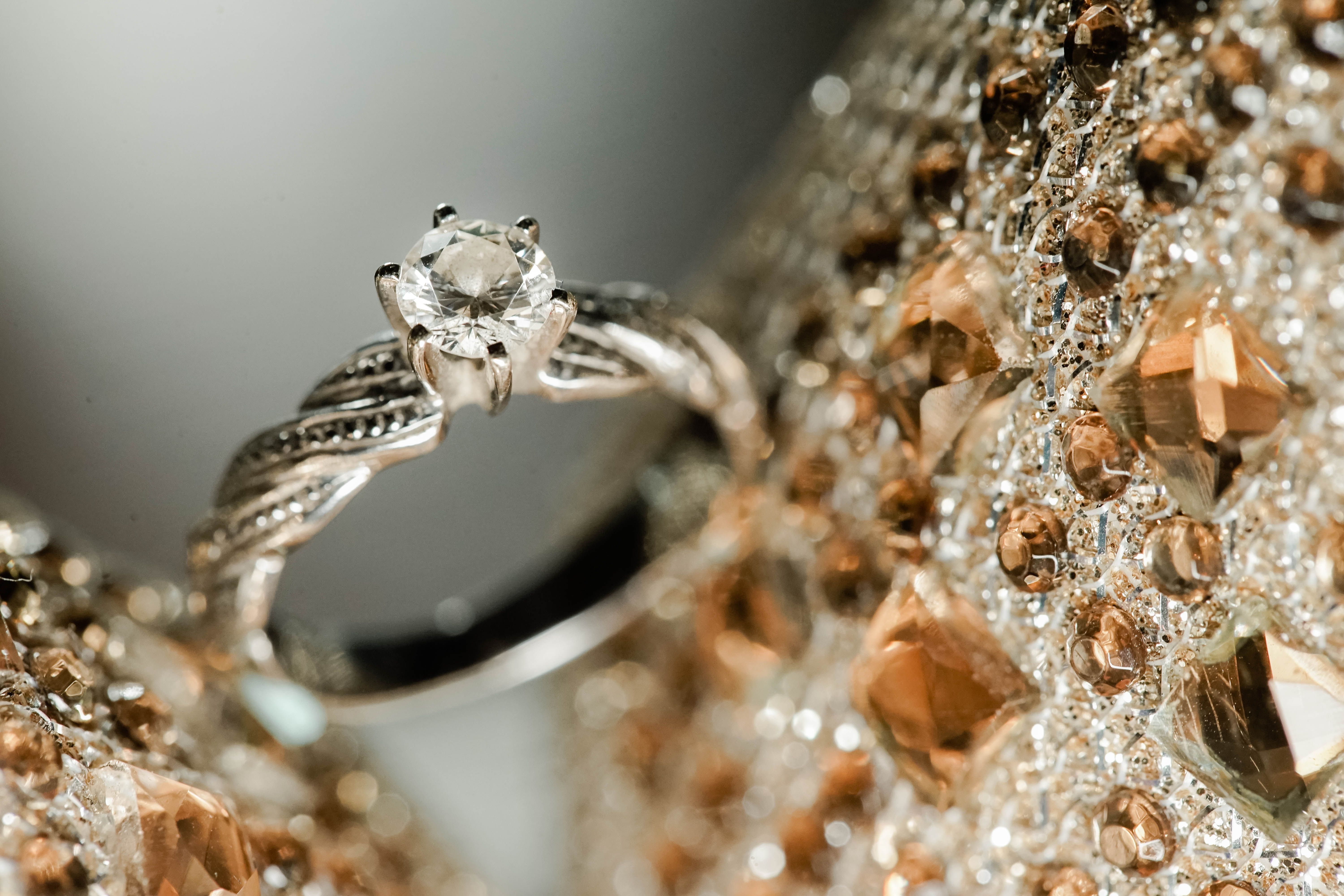
Settings and fine details are where buildup tends to hide. Oils, soap residue, and dust collect easily beneath stones and within small crevices, even when a piece appears clean on the surface. This is why understanding how to clean jewelry goes beyond simple polishing.
Prongs, bezels, and pavé settings require particular care, as they are designed to secure stones. Excess pressure during cleaning can weaken these components, especially in older jewelry or pieces worn frequently.
Buildup commonly gathers in areas such as:
The underside of rings
Prong tips and stone edges
Earring backs and posts
Chain links and clasps
When cleaning at home, use only light pressure. A soft brush can help loosen residue, but movements should remain gentle to avoid bending prongs or shifting stones. Soaking may help in some cases, but jewelry with multiple stones or mixed materials should not be left in water for extended periods, as moisture can settle into settings.
If residue remains after careful cleaning, it’s best to stop. Forcing debris out increases the risk of damage. Knowing when to pause is part of learning how to clean jewelry responsibly, and often a sign that professional care is the safer choice.
Some jewelry cleaning methods sound effective at first. Many promise quick results or a deep clean. Over time, though, these approaches can weaken settings, dull finishes, or damage stones.
Knowing what to avoid is an important part of understanding how to clean jewelry safely.
Ultrasonic cleaners
These devices use vibration to loosen dirt. While they may work for sturdy pieces, they are risky for older jewelry or delicate settings. Stones can loosen, and treated or fractured gemstones may crack without visible warning.
Household cleaners
Products designed for kitchens or bathrooms contain chemicals that are too harsh for jewelry. Even diluted solutions can discolor metal or strip surface finishes over time.
Bleach or ammonia-based products
These chemicals weaken metal structures and can permanently damage gold, silver, and platinum. Repeated exposure increases the risk of brittleness.
Vinegar or acidic solutions
Acids may remove tarnish quickly, but they also etch metal surfaces. This leads to a dull appearance that worsens with repeated use.
Baking soda pastes and toothpaste
These materials are abrasive. They create fine scratches that reduce shine and wear down polished surfaces.
At-home steam cleaning
Heat and pressure can stress gemstones and settings. Sudden temperature changes may cause cracking, cloudiness, or loosening of stones.
ALSO READ: 10 How to Maintain Your Luxury Watches
How often jewelry should be cleaned depends largely on how it’s worn. Pieces worn daily collect oils and residue more quickly and benefit from light, routine cleaning every few weeks. Jewelry worn less frequently typically needs attention only every few months, particularly when stored properly between wears.
Lifestyle factors also play a role. Jewelry worn during exercise, outdoor activities, or while using lotions and sunscreen may require cleaning sooner, as these substances cling to metal and stones. A noticeable change in shine or sparkle is often the first sign that it’s time to revisit how to clean jewelry safely and effectively.
Some pieces eventually require a professional touch. Fine details, older settings, and valuable stones benefit from expert evaluation and proper cleaning techniques. This approach protects long-term wear and helps identify issues early, before they become costly repairs.
At Bryn Mawr Jewelry, we take a careful and informed approach to jewelry care. Learn more about our services and see how our team can assist with proper cleaning and ongoing care.