Cart
0
You may also like




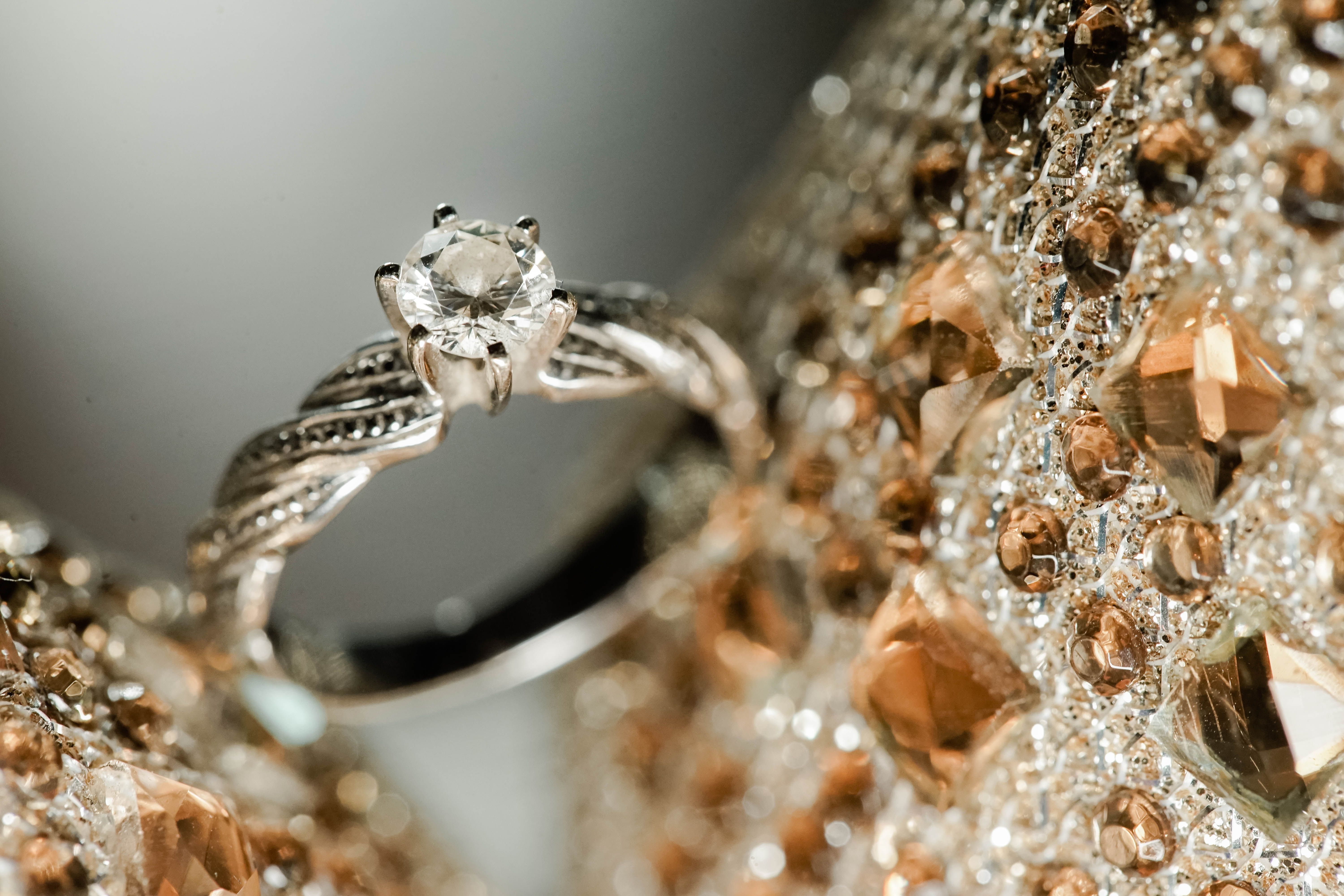
A piece of jewelry can carry a lot of meaning. It may mark a milestone, especially those vintage jewelries. It may come from someone important. At the same time, it can also represent a significant financial investment.
Now imagine this. You take off your ring for a moment. Later, you realize it is gone. Or a clasp breaks and a necklace slips off without you noticing. These situations happen more easily than most people expect.
That is where jewelry insurance comes into the conversation. It offers a way to protect items that are valuable in more ways than one. This guide walks you through what to expect, how jewelry insurance does work, and what to consider before making a decision.
Key Highlights
|
Jewelry insurance is a type of coverage designed to protect specific pieces against loss, theft, or damage. It focuses on individual items, such as engagement rings, watches, or family heirlooms. The goal is simple. It helps cover the cost of repair or replacement if something goes wrong.
Most standard homeowners or renters insurance policies include limited coverage for jewelry. That coverage tends to have strict caps. It may also exclude certain types of loss. This is where dedicated jewelry insurance becomes relevant. It offers broader protection and higher limits that better reflect the true value of your pieces.
There are two common ways to insure jewelry. You can purchase a standalone policy. This option is tailored specifically for jewelry and usually provides more comprehensive protection. You can also add a rider, sometimes called a floater, to an existing homeowners or renters policy. This extends your current coverage to include higher-value items.
Each approach has its place. The right choice depends on the value of your jewelry, how frequently you wear it, and the level of protection you want.
Understanding how jewelry insurance works starts with a few simple steps. The process is structured, but it is not complicated.
First, your jewelry needs to be valued. This usually requires a professional appraisal. The appraisal documents details such as the type of metal, gemstones, craftsmanship, and current market value. Insurers rely on this to determine how much coverage you need.
Next, you choose a policy. You will decide on coverage limits and whether you want a deductible. A higher deductible can lower your premium, while a lower deductible means less out-of-pocket cost if you file a claim.
Once your policy is active, you pay a premium. This is typically billed annually or monthly. The cost depends on several factors, including the value of the item and where you live.
If something happens, you file a claim. The insurer reviews the details and verifies the loss or damage. From there, the outcome depends on your policy terms:
Replacement coverage: The insurer works with a jeweler to replace the item with something similar in quality and value.
Cash settlement: You receive a payout based on the insured value, and you can choose how to proceed.
It is also important to understand policy limits. Some policies cover the full appraised value, while others may have caps. Reading the fine print helps avoid surprises later.
How jewelry insurance works comes down to preparation and clarity. You document your piece, select the right coverage, and rely on the policy if an issue arises. The more accurate your information is from the start, the smoother the process tends to be.
To understand the value of a policy, it helps to look closely at what jewelry insurance covers. Coverage tends to be broader than what you would find in a standard homeowners or renters policy.
In most cases, jewelry insurance protects against common risks that can happen in everyday situations:
Theft
If your jewelry is stolen, whether from your home or while you are out, your policy can help cover the loss.
Accidental loss
This includes situations where an item goes missing without a clear explanation. A ring slipping off your finger or a misplaced bracelet can fall into this category.
Damage
Coverage may include physical damage such as chipped stones, cracked settings, or broken clasps. Repairs or replacement may be covered depending on the severity.
That said, not every situation is included. It is just as important to know the limits of what does jewelry insurance cover:
Wear and tear
Gradual damage from regular use is typically not covered.
Intentional damage
Any damage caused on purpose is excluded.
Manufacturer defects
Issues related to how the jewelry was made are usually handled through warranties, not insurance.
Some policies also include worldwide coverage. This means your jewelry stays protected while you travel. Others may offer flexible replacement options, allowing you to work with a jeweler you trust.
Coverage details can vary, so reviewing the terms of your policy is key. When you clearly understand what jewelry insurance covers, you can make better decisions about how to protect your pieces.
There is more than one way to insure your jewelry. The right option depends on how much coverage you need and how you prefer to manage your policies.
A standalone jewelry insurance policy is designed specifically for high-value items. It typically offers broader protection and fewer restrictions. These policies may cover a wider range of risks, including accidental loss, and they usually insure the full appraised value of the piece. Claims handling can also be more specialized, since the insurer focuses on jewelry.
Another option is adding a rider to your homeowners or renters insurance. This is sometimes called a floater. It extends your existing policy to cover specific items at a higher value than the standard limit. This approach can be convenient since everything stays under one policy.
Each option comes with trade-offs:
Standalone policy
Broader coverage
Higher coverage limits
Jewelry-focused claims process
Rider or floater
Easier to manage within an existing policy
May cost less upfront
Coverage can be more limited compared to standalone plans
It helps to look at how you use your jewelry. Pieces worn daily or taken while traveling may benefit from more comprehensive coverage. Items kept in storage may not require the same level of protection.
Calculating the cost of jewelry insurance involves balancing your specific risk profile with the total value of your collection. While the 1% to 2% benchmark is a reliable industry standard, the final premium often fluctuates based on the level of protection you choose.
Most specialized policies provide "all-risk" coverage, which is more comprehensive than a standard homeowners' sub-limit. This means you are protected against common mishaps that typical insurance might exclude, such as dropping a ring down a drain or losing a diamond from its setting.
When determining if jewelry insurance is worth it, consider the peace of mind that comes from protecting a high-value investment for a relatively low annual fee. This estimate can vary based on your specific situation and the breadth of the policy.
Several factors influence the final price and how your coverage is applied:
Value of the jewelry: Higher-value pieces cost more to insure since the potential payout is larger.
Where you live: Areas with higher rates of theft or loss may lead to higher premiums.
Security measures: Storing jewelry in a safe or having a home security system can sometimes reduce costs.
Deductible amount: Choosing a higher deductible can lower your premium. A lower deductible means you pay less out of pocket if you file a claim.
This is one of the most common questions people ask: is jewelry insurance worth it? The answer depends on your situation, your jewelry, and your comfort with risk.
For high-value pieces, insurance can provide peace of mind. Engagement rings, luxury watches, and heirlooms tend to be expensive to replace. If one of these items is lost or damaged, the financial impact can be significant. In these cases, jewelry insurance might be worth it.
Lifestyle also plays a role. Jewelry worn daily is more exposed to potential loss or damage. Travel adds another layer of risk. If you frequently bring your jewelry with you, coverage can help reduce uncertainty.
On the other hand, some items may not require separate insurance. Lower-value pieces or items that are rarely worn may not justify the added cost. It comes down to how much you are willing to pay to protect something versus how much risk you are willing to accept.
There is also a practical side to consider. Insurance does not replace sentimental value. It can help financially, but it cannot replicate the history behind a piece. That is why some people choose to insure items that carry both financial and personal significance.
In the end, knowing if jewelry insurance is worth it is a personal decision. Looking at the value of your jewelry, how you use it, and your financial priorities can help you decide if coverage makes sense.
Jewelry represents both personal meaning and financial value. It may mark an important moment, or it may be something passed down through generations. Protecting it requires a thoughtful approach. Insurance can help cover unexpected situations, but understanding how policies work is just as important as having one in place.
At the same time, choosing the right piece matters just as much as protecting it. At Bryn Mawr Jewelry, we focus on offering timeless designs crafted with care and attention to detail. Each piece is made to last and to be worn with confidence.
If you are looking to add something meaningful to your collection, explore our selection at Bryn Mawr Jewelry. Learn more about our pieces and find one that fits your style and story.